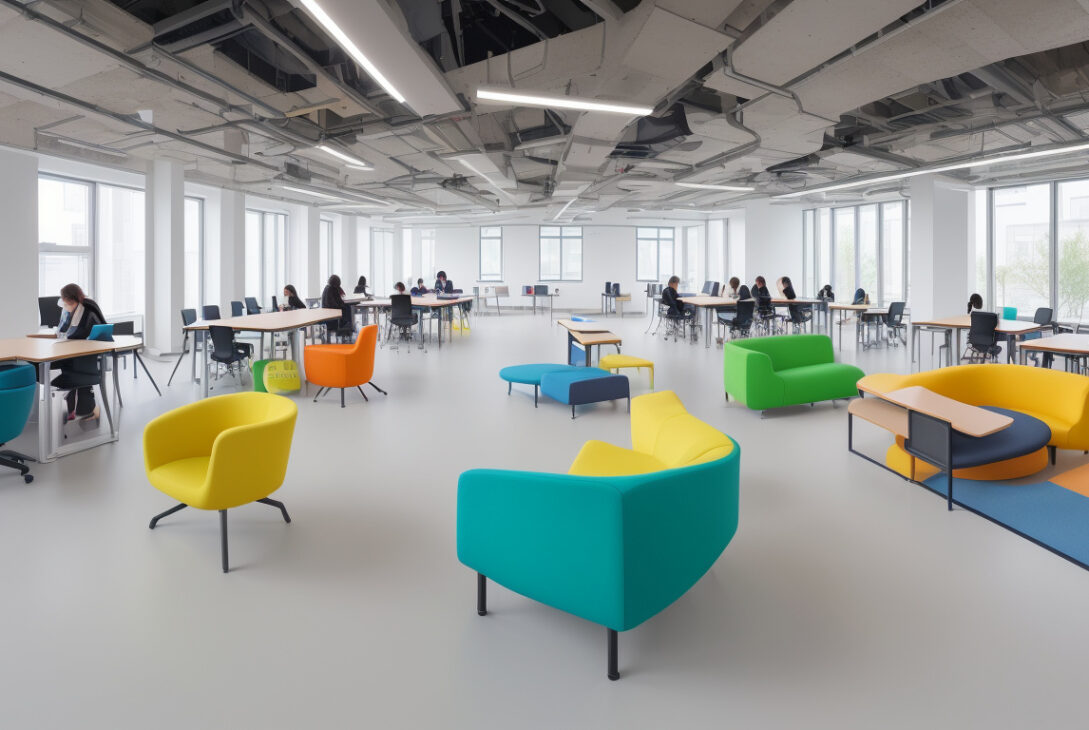
Learning Technology & Analytics at De Haagse Hogeschool: Enhancing Education Through Technology and Data
De Haagse Hogeschool is at the forefront of exploring how technology and data can transform education and promote equal opportunities for students. The institution’s dedicated research group, known as the Learning Technology & Analytics lectoraat, investigates the dynamic interplay of educational technologies and the valuable insights derived from study data.
About the Lectoraat
The Learning Technology & Analytics lectoraat focuses on understanding and improving how technology is utilized within education, alongside analyzing student data to foster fairness and inclusivity. The field evokes strong emotions—some fear that technology might lead to excessive monitoring or unfair selection, while others celebrate its potential to revolutionize learning experiences. Recognizing both perspectives, the lectoraat asserts that technology and data already play a crucial role in educational innovation and that this role is set to grow rapidly with ongoing advancements.
The lectoraat’s investigations are structured around two core themes:
-
Learning Technology: This theme involves experimental research into the interactions between technology, students, and educators. Researchers seek answers to questions such as how and why educational technology is adopted or resisted, what benefits and drawbacks it might bring, and the impact of emerging technologies like artificial intelligence (AI), gaming, virtual reality (VR), and augmented reality (AR) on teaching and student support.
-
Learning Analytics: Here, the focus is on the analysis of study-related data generated within educational institutions—from learning management systems, academic records, and public sources. The research explores statistical correlations in data, student diversity, and uniqueness across programs. Importantly, it assesses how findings from data analytics can enhance education, student guidance, and policymaking. A special emphasis is placed on students who are less represented in higher education, investigating biases in data and exploring ways to improve equal opportunities through informed interventions.
Research Lines within Learning Analytics
The Learning Analytics theme includes four detailed research lines aimed at addressing different aspects of educational data:
-
Learning Analytics – Focused on data influencing the quality of learning and education, offering insights to improve the design of learning processes and course manageability.
-
Student Analytics – Analyzes group-level data to enhance program quality and student academic progression.
-
Institutional Analytics – Applies data insights to shape institutional policies and strategies, contributing also to research at national and international levels.
-
Inclusion Analytics – Dedicated to studying the progress and success of students with additional support needs, aiming to impact all other research levels.
Each research line systematically addresses relevant data selection, analytical methods, practical application and adoption of solutions, effect measurement, and knowledge dissemination.
Leadership and Expertise
The lectoraat is led by Dr. Theo Bakker, whose diverse background spans Theology, Information Science, and Management Consulting. Dr. Bakker earned his doctorate in Clinical Developmental Psychology, focusing on the academic progression and success of students with autism. Since 2004, he has been deeply involved in handling and utilizing educational data, including implementing academic administration systems and leveraging their information to boost student success. Dr. Bakker joined De Haagse Hogeschool in 2021 and also lectures at the Faculty of Behavioural and Movement Sciences at the Vrije Universiteit Amsterdam.
Collaborative Research and Projects
The lectoraat works closely with researchers, teaching staff, students, and practical partners to ensure research outputs translate effectively into educational practice. Notable projects include:
-
Pilot GenAI: Investigating how generative AI impacts the daily work of education, research, and support staff.
-
Evidence-informed Evaluation of EdTech (3E): A Dutch framework designed to evaluate the effectiveness of educational technologies systematically.
-
International Collaboration on Student Mobility: Joint research by Nuffic, De Haagse Hogeschool, and VU Amsterdam on the success of graduates in the global labor market.
Recent News Highlights
-
Building Inclusive Education with AI: The lectoraat explores how AI enhances equal opportunities by fostering fair and inclusive learning environments.
-
Digital Collaboration Expands International Educational Access: Studies show that digital collaboration significantly improves international study opportunities, focusing on equal access and innovative learning outcomes.
-
The Critical Need for Smarter EdTech Choices: Researcher Manika Garg discusses why evaluating educational technology critically is vital for meaningful adoption.
Publications and Resources
Among the lectoraat’s key publications is the “Evidence-informed Evaluation of EdTech (3E)” report, co-authored by Dr. Bakker and Dr. Garg, which guides continuous assessment of educational technology tools. Another important study presents predictive models for academic success among autistic university students, contributing valuable insights to the field of inclusive education.
De Haagse Hogeschool’s Learning Technology & Analytics lectoraat continues to pioneer research that harnesses technology and data analytics to improve educational practices and promote equity across student populations. By bridging rigorous research and practical application, the lectoraat ensures that advancements in educational technology translate into tangible benefits for students, educators, and institutions alike.
For more information or to connect with the lectoraat, please visit De Haagse Hogeschool Learning Technology & Analytics page or contact Dr. Theo Bakker at theo.bakker@hhs.nl.