

UK Unveils Cutting-Edge Undersea Warfare Technology to Counter Russian Threats
Published: December 9, 2025 | By Naval News Staff
In a decisive move to bolster maritime security in the North Atlantic, the United Kingdom has revealed its groundbreaking Atlantic Bastion programme, aimed at transforming the Royal Navy’s capabilities to counter the rising threat from Russian undersea activities. The announcement, made during a visit by Defence Secretary John Healey to HM Naval Base Portsmouth, highlights significant investments in novel anti-submarine sensor technologies and autonomous systems as part of a broader strategic defence initiative.
Addressing Emerging Underwater Threats
The Atlantic Bastion programme emerges against a backdrop of heightened Russian submarine and underwater operations in proximity to UK waters. The UK’s Defence Intelligence has disclosed efforts by the Russian Navy, including the deployment of spy ships such as the Yantar, targeting critical undersea infrastructure like communication cables and energy pipelines. Responding to these developments, the UK Ministry of Defence (MOD) has committed millions of pounds this year to develop and test innovative sensor technologies designed to detect and neutralize these undersea threats effectively.
A Fusion of Autonomous Systems and Traditional Naval Power
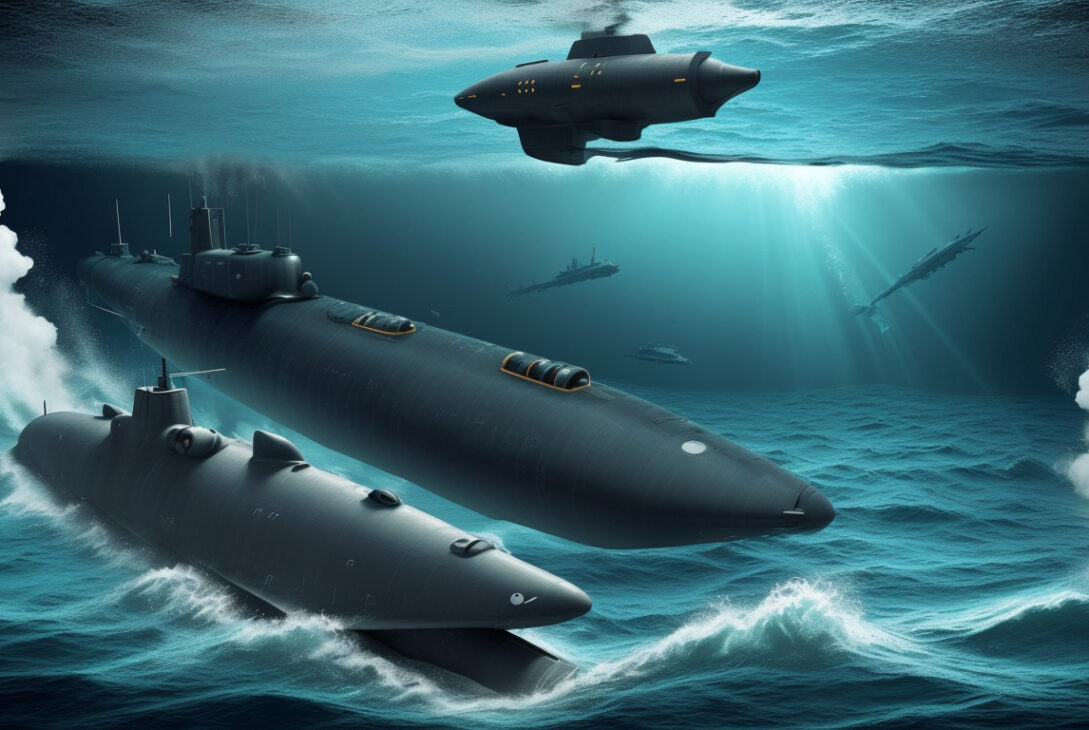
Atlantic Bastion represents a pioneering fusion of autonomous surface and underwater vessels, state-of-the-art digital infrastructure, alongside the Royal Navy’s warships and patrol aircraft. This integration aims to establish an advanced hybrid naval force capable of comprehensive surveillance and rapid response across vast maritime areas. The programme is a direct outcome of the UK Government’s Strategic Defence Review, emphasizing rapid innovation at wartime pace to maintain a battlefield edge.
Industry Collaboration and Investment Momentum
The initiative has garnered robust support from the defence industry, with a combined MOD and industry “seedcorn” investment of £14 million committed solely in 2025. Twenty-six firms from the UK and Europe have put forward proposals to develop anti-submarine sensor technology, while twenty companies, ranging from major primes to smaller technology enterprises, are actively showcasing demonstrators of cutting-edge solutions. Impressively, private investment currently matches public funding at a ratio of 4:1, underlining strong industrial confidence.
Upcoming Development and Operational Deployment
Defence Secretary Healey highlighted the next crucial phase involving successful vendors progressing their innovations from concept to frontline-ready capabilities. Several of these systems are set to be deployed in operational waters as soon as next year, with additional government funding anticipated to accelerate and broaden programme development.
“This new era of threat demands a new era for defence, and we must rapidly innovate at a wartime pace to maintain our edge,” Healey stated during the launch. “Atlantic Bastion is a blueprint for the future Royal Navy, combining the latest autonomous and AI technologies with world-class platforms to detect, deter, and defeat those who threaten us.”
Strategic Importance and NATO Collaboration
The programme’s significance extends beyond national defence, enhancing the UK’s contribution to NATO’s collective security against underwater threats. The Atlantic Bastion network of sensors and AI-driven systems will eventually span from the Mid-Atlantic Ridge to the Norwegian Sea, creating a resilient, highly interconnected maritime defence posture.
First Sea Lord General Sir Gwyn Jenkins, speaking from the International Sea Power Conference in London, praised Atlantic Bastion as a transformative era for naval warfare that blends human skill with autonomous platforms and artificial intelligence. “We are a Navy that thrives on adaptability,” he noted. “Atlantic Bastion secures the underwater battlespace against a modernising Russia and strengthens our Alliance commitments. This is happening now.”
Industry Voices Reinforce UK Leadership
Executives from leading defence companies expressed strong support for the programme. Dr. Rich Drake, Managing Director of Anduril UK, emphasized their commitment to British innovation and protecting allied waters with their Seabed Sentry system. Scott Jamieson of BAE Systems Defence Solutions highlighted the transformative potential of autonomy, mentioning their development of Herne, the UK’s first autonomous extra-large military submarine, and its autonomous control system, Nautomate.
Amelia Gould, General Manager Maritime at Helsing, underscored the company’s UK-based AI and software centres and their self-funded development of autonomous underwater systems like the SG-1 Fathom glider, positioning Helsing as a key contributor to Atlantic Bastion and NATO maritime defence.
Economic and Technological Implications
Atlantic Bastion not only secures the UK and NATO’s underwater domains but also positions the UK as a global leader in hybrid and autonomous naval warfare technology—an industry sector valued at approximately £350 billion worldwide. This initiative is expected to generate thousands of skilled jobs across the UK, reinforcing defence as a driver of economic growth and technological innovation.
About Atlantic Bastion
Atlantic Bastion is a Royal Navy initiative to create a comprehensive, AI-powered undersea surveillance and combat network. By integrating manned platforms, unmanned systems, and advanced sensor technologies, the programme aims to provide unmatched maritime situational awareness and rapid strike capability against adversarial submarine operations in the North Atlantic region.
For more on the UK’s advances in naval technology and footage from DSEI UK 2025, including Helsing’s Fathom underwater glider and Lura acoustic software, visit Naval News.
Tags: Atlantic Bastion, Royal Navy, Underwater Surveillance, Autonomous Naval Technology, UK Defence
Naval News continues to report on the latest developments in naval defense technology worldwide. Subscribe to stay informed about major defence shows and innovative maritime capabilities.