
Japan Faces Growing Dementia Crisis: Can Technology Provide Solutions?
Tokyo, Japan – Japan is grappling with a worsening dementia crisis as its aging population continues to grow, placing unprecedented strains on families, caregivers, and the healthcare system. With nearly 30% of its population aged 65 and above—the second highest proportion worldwide after Monaco—the country is urgently exploring technological innovations to support elderly care and ease social burdens.
Rising Dementia Numbers and Social Impact
Last year alone, over 18,000 elderly individuals diagnosed with dementia went missing, many from their own homes, according to police data. Tragically, nearly 500 were later found deceased. The incidence of such disappearances has doubled since 2012, underscoring the escalating scale of the problem.
Japan’s shrinking workforce, coupled with restrictive immigration policies limiting foreign caregivers, exacerbates the challenge of providing adequate care for the elderly with dementia. The Japanese government has acknowledged the crisis as a top policy priority. The Ministry of Health estimates that dementia-related medical and social care costs will soar to 14 trillion yen ($90 billion) by 2030, a steep rise from nine trillion yen projected for 2025. Government Pushes for Technological Innovation
In response, Japan’s most recent healthcare strategy includes a strengthened emphasis on integrating technology to support patients and caregivers. Across the country, GPS tracking systems have been widely adopted to monitor patients vulnerable to wandering and getting lost. Some localities issue wearable GPS tags that automatically alert authorities when wearers exit safe zones, enabling rapid response.
In an ingenious community-based safety initiative, convenience store employees in select towns receive real-time alerts to help locate missing persons, forming a crucial social safety net. These innovations represent small but vital steps toward reducing the risks posed by dementia.
AI-Powered Early Detection and Robotics in Caregiving
Beyond safety measures, cutting-edge technologies are being developed to detect dementia earlier and provide hands-on support. Fujitsu has created aiGait, an AI-driven system that analyzes walking patterns and posture to reveal early dementia signs such as shuffling, balance issues, and slower turns. The system generates visual skeletal outlines for doctors to assess during routine check-ups, enabling earlier intervention to maintain patients’ mobility and independence.
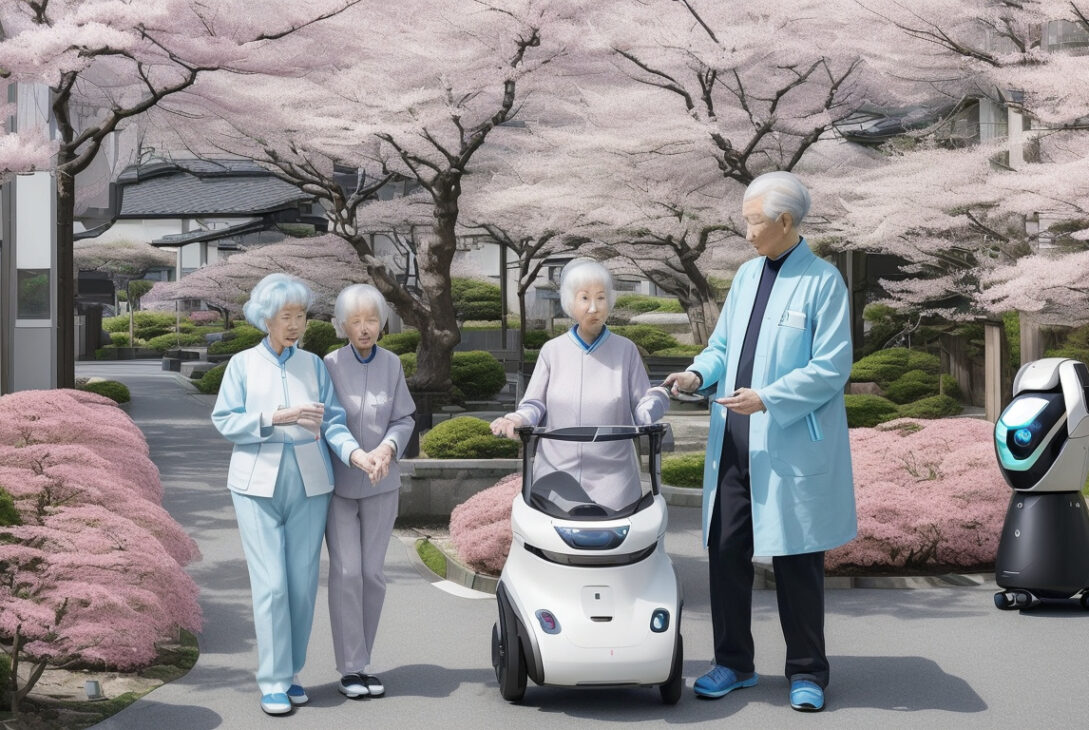
Meanwhile, researchers at Waseda University in Tokyo are developing AIREC, a 150-kilogram humanoid robot designed to assist with everyday caregiving tasks. Currently, AIREC can help with putting on socks, cooking simple meals, and folding laundry. Scientists envision future capabilities including changing adult diapers and preventing bedsores, aiming to alleviate physical demands on human caregivers.
Robots are also actively being deployed in care homes to provide companionship through music, guide gentle exercises, and monitor patient well-being overnight via sensors placed under mattresses. Such technology reduces the need for nocturnal human rounds, improving efficiency.
However, experts caution that truly safe and intelligent humanoid robots capable of nuanced interaction will require at least another five years of development. “It requires full-body sensing and adaptive understanding—how to adjust for each person and situation,” notes Assistant Professor Tamon Miyake from Waseda University.
Combating Social Isolation through Companion Robots
Addressing emotional well-being is another priority. Sharp has introduced Poketomo, a palm-sized companion robot designed to fit in a pocket or bag. Poketomo reminds users to take medications, provides real-time weather updates, and engages in simple conversations to reduce loneliness, particularly for those living alone.
Miho Kagei, Sharp’s development manager, explains: “We’re focusing on social issues and using new technology to help solve those problems.”
The Indispensable Role of Human Connection
Despite promising technological advancements, experts emphasize that robots and AI must serve as supplements, not substitutes, for human care. “While machines may handle certain tasks, their main role is to assist both caregivers and patients,” underlines Professor Miyake.
A poignant example of the power of human connection is Tokyo’s Restaurant of Mistaken Orders, founded by Akiko Kanna. The unique café employs people living with dementia as servers, fostering engagement and purpose. Toshio Morita, one of the servers, still remembers customers’ orders using flowers despite cognitive decline. For Morita’s wife, the café brings vital respite and support.
Kanna’s initiative highlights how social interventions combined with technological aids can help sustain dignity and quality of life for those living with dementia. Morita remarks with a smile, “Everyone’s different—that’s what makes it fun.”
Looking Ahead
Japan’s dementia epidemic remains a formidable challenge with profound human and economic consequences. Technology offers innovative tools for early detection, caregiving assistance, and social connectivity, yet it cannot replace empathy and personal interaction.
As Japan balances these elements, the world watches closely, given the universal aging trends many other countries will soon face. The integration of cutting-edge robotics and AI with compassionate human care may well chart a hopeful path forward in dementia support.
For more insights into technology and health, subscribe to the BBC’s Tech Decoded newsletter.