

Slashing your grocery bill does not force you into instant noodles.
It does not force you into hours of coupon clipping.
Plan. Shop. Store.
Use smart tweaks.
Slash your monthly food spending.
Eat well.
This guide uses tight links between ideas.
Each word depends closely on the next.
────────────────────────
1. Know Your Baseline: What Are You Actually Spending?
Know your starting cost.
Record spending first.
Track a Month of Grocery Spending
For 30 days, do this:
• Keep every grocery receipt, or
• Use your bank app to tag purchases, or
• Log entries in a simple spreadsheet or notes app
Then, classify spending roughly:
• Fresh produce
• Meat & seafood
• Dairy & eggs
• Pantry items (rice, pasta, canned goods, etc.)
• Snacks & treats
• Drinks (soda, juice, alcohol, etc.)
• Convenience foods (frozen meals, premade salads, deli items)
Patterns emerge.
You may see more spending on snacks or a secret burden from convenience foods.
Set a Realistic Target
Use your baseline to design a target.
For example:
• If spending $800/month, aim for $650–$700 first
• If spending $400/month, try $350 first
Choose a target that feels like a controlled cut, not sharp pain.
────────────────────────
2. Plan with Purpose: Meal Planning That Actually Works
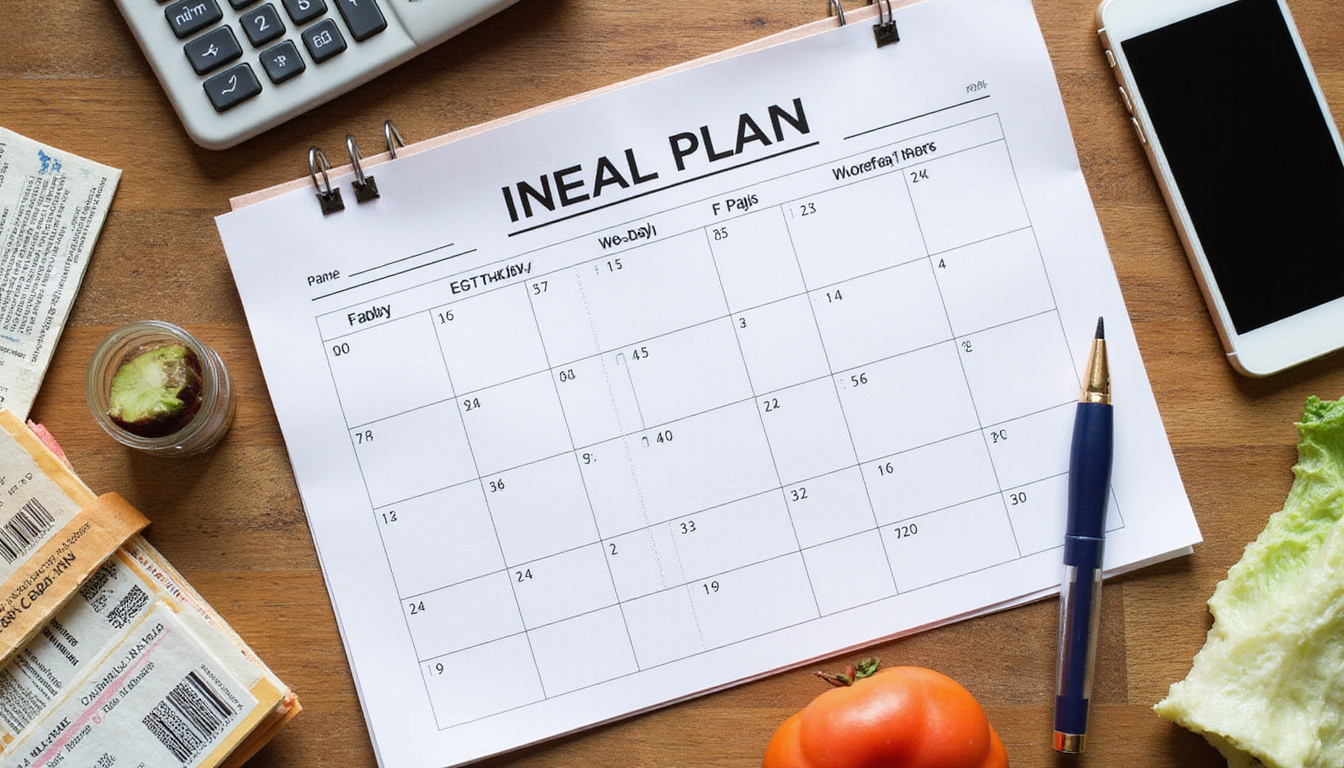
Meal planning is your strong tool.
It must be realistic.
Start with What You Already Have
Before you list your shopping items:
- Check your pantry, fridge, and freezer.
- List items that need use (wilting veggies, half-used sauces, frozen chicken).
- Build meals around these items.
This stops waste.
Waste kills budgets.
Remember: U.S. households waste hundreds of dollars yearly (source: USDA).
Use a Simple 3–4 Meal Rotation
You need not plan seven days.
Try:
• Three to four main dinners per week
• Recipes that share ingredients
• Leftovers that feed extra meals
For instance:
• Meal 1: Roast chicken with potatoes and carrots
• Meal 2: Chicken fried rice built on leftover chicken and veggies
• Meal 3: Veggie and bean chili
• Meal 4: Chili-stuffed baked potatoes
A few ingredients serve many meals.
This naturally slashes your buying list.
────────────────────────
3. Shop Strategically: Where and How You Buy Matters
Choose the Right Store for Your Core Items
Stores differ.
Their prices vary by category.
Compare prices for items you buy often: milk, eggs, bread, chicken, rice, produce.
You might:
• Use a discount grocer for staples
• Hit a warehouse club monthly for bulk items
• Visit a local market for cheaper produce
Minor savings add up.
They help you slash totals.
Always Shop with a List—and Stick to It
Impulse buys disrupt a smart plan.
To cut temptation:
• Eat before the trip
• Carry a list on paper or phone, sorted by store section
• Skip aisles you do not need, especially those with snacks and treats
If you see an unplanned item, allow one bonus per trip.
That is your max.
Compare Unit Prices, Not Package Prices
Big packs do not always save.
Check the unit price (e.g., per ounce or pound).
If unit price is not posted, quickly calculate:
Unit price = Total price ÷ Quantity
Choose lower unit prices only if you will use all before expiry.
────────────────────────
4. Time Your Shopping for Maximum Savings
Shop Weekly, Not Daily
Daily “quick trips” add extra cost.
Instead:
• Shop once a week for the main supply
• Use one small top-up trip only for essentials (milk, fresh fruit) with a strict mini-list
Shopping fewer times keeps you on plan and dodges impulse buys.
Take Advantage of Sales Cycles
Sales occur every 4–6 weeks.
Observe the patterns:
• Buy more of your staples when on sale, to last until the next sale
• Avoid full-price purchases when possible
This simple engine quietly slashes costs without quality loss.
────────────────────────
5. Smart Substitutions: Swap, Don’t Sacrifice
Slash your grocery bill without losing flavor.
It means swapping smartly.
Trade Name Brands for Store Brands
Store brands often come from the same makers as national brands.
Test these swaps:
• Canned tomatoes
• Beans
• Pasta
• Rice
• Flour and sugar
• Oats
• Cheese and yogurt
If you see no difference, stick to the cheaper version.
Choose Cheaper Protein Sources
Protein is usually expensive.
Try:
• More plant proteins: beans, lentils, chickpeas, tofu
• Cheaper meat cuts: chicken thighs vs. breasts; pork shoulder vs. chops
• Eggs as a centerpiece (omelets, frittatas, egg fried rice)
Mix meat with beans or lentils (e.g., half ground beef, half lentils in tacos).
This mix slices costs yet holds flavor.
────────────────────────
6. Bulk Buying Without the Waste
Bulk buying can slash your bill if done right.
What to Buy in Bulk
Good in bulk:
• Dry staples: rice, pasta, oats, flour, sugar
• Canned goods: tomatoes, beans, tuna
• Frozen vegetables and fruit
• Long-lasting condiments: soy sauce, vinegar, cooking oil
Risky in bulk if you do not use fast:
• Fresh produce that spoils quickly
• Large bread quantities (unless frozen)
• Exotic ingredients you rarely use
Portion and Store Immediately
When you get home, do this:
- Break bulk packs into small portions.
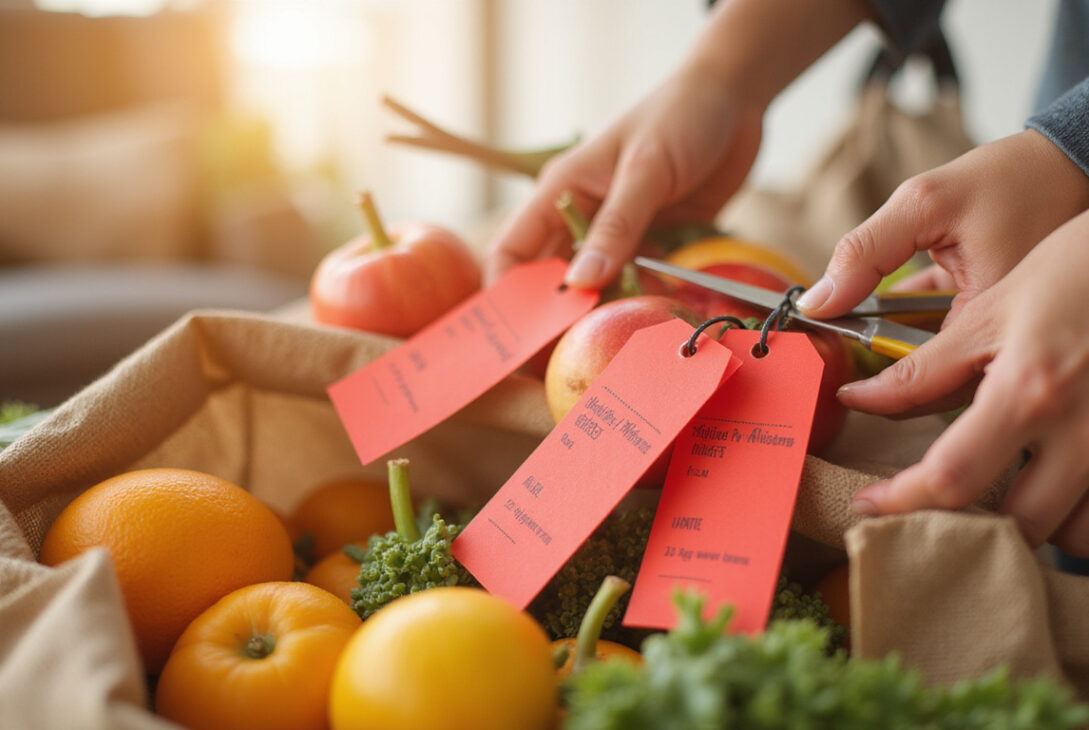
- Use containers or freezer bags with labels (name and date).
- Keep soon-to-be-used items in the fridge and freeze the rest.
This method keeps food fresh and reinforces home cooking.
────────────────────────
7. Use Your Freezer as a Money-Saving Tool
The freezer is a strong ally when slashing costs.
Freeze Ingredients, Not Just Leftovers
Freeze these:
• Overripe bananas (for smoothies or baking)
• Chopped onions and peppers
• Grated cheese
• Cooked beans
• Extra bread and tortillas
These frozen items become building blocks.
They reduce waste and support quick, cheap meals.
Batch Cook High-Value Meals
Cook once and eat many times:
• Make a big pot of soup, chili, or curry
• Divide into meal-sized portions
• Freeze and rotate throughout the month
This plan stops takeout temptations.
It protects your grocery savings.
────────────────────────
8. Cut the “Invisible” Budget Killers
Some costs appear hidden.
They quietly ruin your plan.
Snacks and Drinks
Chips, cookies, energy drinks, soda, alcohol—these add quickly.
You need not eliminate them, but you can:
• Set a fixed weekly snack budget
• Buy large packs over single servings
• Replace some soda with homemade iced tea or flavored water
• Reserve alcohol for special occasions
Convenience and Prepared Foods
Pre-cut fruit, premade salads, deli meals are convenient.
But they come at a price for labor.
To save:
• Buy whole produce and cut it yourself
• Make salad kits by prepping veggies and a simple dressing
• Learn 5–6 quick dinners that you prepare faster than delivery
────────────────────────
9. Cook Smarter, Not Fancier
You do not need gourmet skills to save.
A small rotation of reliable, low-cost meals works.
Build a “Budget Meal Arsenal”
Collect 10–15 go-to meals that are:
• Cheap
• Quick
• Flexible with ingredients
For example:
• Rice and beans bowls with toppings
• Pasta with tomato sauce and veggies
• Stir-fries using sale produce
• Frittatas or breakfast-for-dinner
• Lentil soups and stews
Keep your pantry stocked for these meals.
Lean on them when money tightens.
Learn a Few Flavor Boosters
Simple, low-cost ingredients amplify taste:
• Onions and garlic
• Lemon or lime juice
• Soy sauce
• Dried herbs and spices
• Chili flakes or hot sauce
With these boosters, slashing your bill does not mean downgrade in taste.
────────────────────────
10. One Small Habit Change at a Time
Do not change everything at once.
Steady habits compound into savings.
Choose 2–3 Habits to Start With
For instance, try:
- Always shop with a list
- Cook at home one more night each week, instead of ordering in
- Swap name brands for store brands on three items
Then, add more:
• Track spending by category
• Plan three dinners around what you already have before shopping
• Batch cook one meal each weekend
Over months, these habits multiply smart savings.
────────────────────────
Quick Reference: Slashing Your Grocery Bill Checklist
Use this list when planning your next shop:
- Check your pantry, fridge, freezer; plan around what you have.
- Write a focused shopping list and eat beforehand.
- Choose store brands for basics like rice, pasta, and canned goods.
- Compare unit prices, not package sizes.
- Avoid aisles beyond your list.
- Limit snacks and drinks to a set budget.
- Buy meat and staples on sale; freeze portions.
- Prep or batch cook one large meal for the week.
- Track actual spending; note any impulse buys.
- Adjust next week’s plan based on what worked or did not.
────────────────────────
FAQ: Common Questions About Slashing Grocery Costs
• Q1: How do I slash my grocery bill without spending hours on coupons?
Focus on high-impact habits.
Shop with a list.
Swap to store brands on common items.
Plan meals using what you own.
Cook one extra night at home a week.
• Q2: What foods help slash costs yet remain healthy?
Cheap, nutrient-dense staples include oats, rice, beans, lentils, eggs, frozen vegetables, seasonal produce, and bone-in or dark-meat chicken.
Use small amounts of pricier items for variety and flavor.
• Q3: Can meal planning slash expenses if I live alone?
Yes.
Plan 3–4 meals per week.
Repurpose leftovers into new dishes.
Portion and freeze leftovers.
Build a small stash of ready meals rather than ordering takeout.
────────────────────────
Slashing your grocery bill is not deprivation; it is intention.
When you know your spending, plan with what you have, and shop with a clear strategy, savings appear—and they last.
Start today.
Track this week’s grocery spending.
Pick two changes from the checklist.
Then, build from there.
If you need help crafting a custom budget meal plan or a lean shopping list for your household, ask.
Turn slashing into your new normal.