
Nano Water Droplet Technology Achieves 99.9% Removal of Ultrafine Airborne Dust
December 8, 2025 – The Korea Advanced Institute of Science and Technology (KAIST)
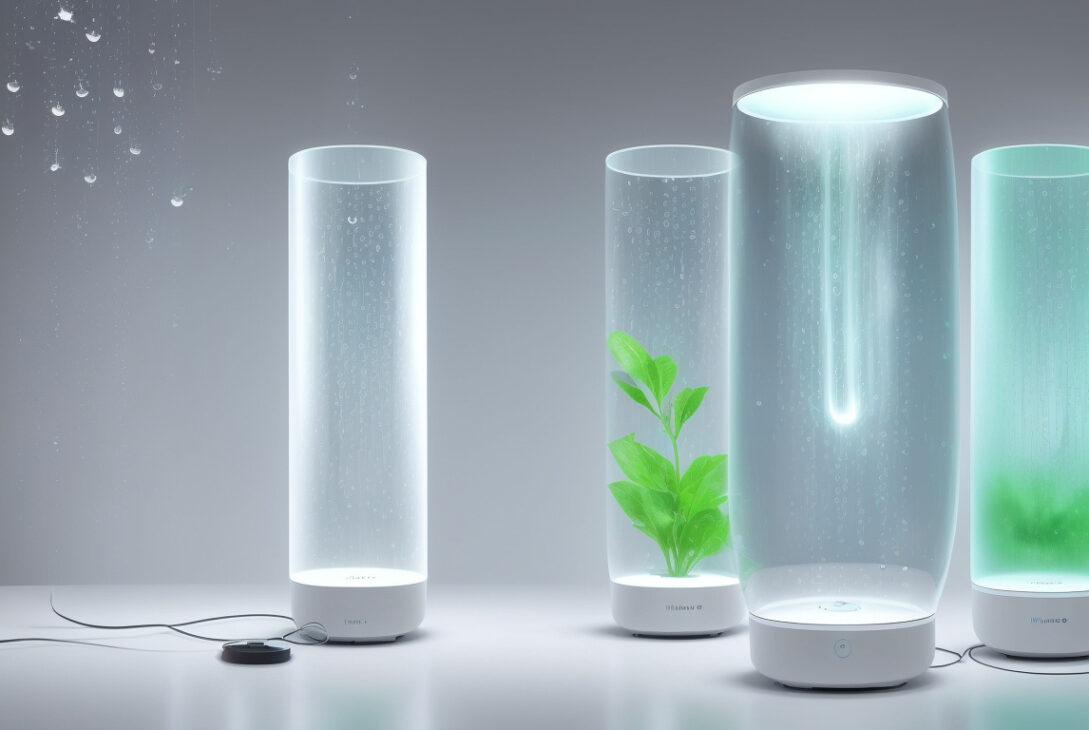
A pioneering breakthrough in air purification technology has been announced by a research team at KAIST, South Korea, showcasing a novel water-based system that effectively eliminates 99.9% of ultrafine dust particles from the air. This innovative solution harnesses nano water droplets in combination with a nanofiber sponge structure, delivering highly efficient air cleaning without relying on traditional filters or generating harmful byproducts such as ozone.
Breakthrough in Air Purification: Filter-Free and Ozone-Free
The research, led by Professor Il-Doo Kim from the Department of Materials Science and Engineering and Professor Seung S. Lee from the Department of Mechanical Engineering, introduces a miniature air-purification device built around water electrospray technology. Unlike conventional filter-based air purifiers, this advanced device:
- Removes ultrafine particles as small as PM0.3 (particles with diameters of 0.3 micrometers—a size nearly 1/200th the thickness of a human hair).
- Operates without filters, thus eliminating the need for costly and labor-intensive filter replacements.
- Produces zero ozone, a gas often released by traditional electronic purifiers that can pose health risks.
- Functions quietly with ultra-low power consumption (approximately 1.3 watts), substantially lower than typical HEPA filter purifiers.
- Maintains consistent, long-term performance without degradation over continuous operation.
This technological synergy was achieved by combining Professor Lee’s expertise in ozone-free water electrospray with Professor Kim’s development of hygroscopic nanofiber technology. Their findings were published on November 14, 2025, in the journal Advanced Functional Materials.
How the Device Works: Self-Pumped Hygroscopic Nanofiber Membrane
At its core, the device features a high-voltage electrode that generates nano-sized water droplets dispersed into the air. These water droplets capture dust particles from the surrounding atmosphere. The key innovation lies in the nanofiber absorber, composed of a hydrophilic polymer blend (polyvinyl alcohol–polyacrylic acid–montmorillonite, or PVA-PAA-MMT), which autonomously draws water into the system through capillary action via polymer microchannels.
This self-pumping mechanism eliminates the need for external pumps, enabling continuous and stable water supply to sustain water electrospray operation silently and efficiently over extended periods.
Exceptional Performance Validated through Rigorous Testing
The KAIST research team conducted experiments within a controlled 0.1 cubic meter test chamber, evaluating the device’s efficacy against a broad range of particulate sizes from PM0.3 to PM10. Results demonstrated:
- 99.9% removal efficiency of various particulate matters within just 20 minutes.
- Impressively, 97% removal of the highly challenging PM0.3 ultrafine dust was achieved within five minutes.
- Stability of operation without performance loss after 30 consecutive test cycles and more than 50 hours of continuous use.
- Power consumption significantly lower than comparable HEPA filter systems, representing less than one-twentieth of their energy usage.
- Minimal airflow resistance and negligible noise production due to the absence of filters.
These performance attributes position the device as a next-generation eco-friendly air purification platform, ideal for diverse environments.
Potential Applications and Future Outlook
This technology’s combination of ultra-low power use, filter-free design, and high-efficiency dust removal holds great promise for widespread adoption. Expected application areas include:
- Indoor air purification in homes and offices.
- Automotive cabin air filtration.
- Cleanrooms requiring stringent contamination control.
- Portable and wearable air purification devices.
Additionally, the absence of ozone generation makes it a safe choice for continuous use in sensitive environments. By eliminating ongoing filter replacement costs and achieving stable long-term performance, this water electrospray system addresses key limitations of current air purification technologies.
About the Research
The study was published in Advanced Functional Materials (DOI: 10.1002/adfm.202523456). The device’s design and materials can pave the way for future development of sustainable, quiet, and highly effective air purification solutions made possible by nanotechnology and materials science.
For more information, visit KAIST’s official release.
Editors’ notes: This article has been peer-reviewed, fact-checked, and is based on a trusted scientific publication to ensure accuracy and reliability in reporting.
Contact:
KAIST Department of Materials Science and Engineering
KAIST Department of Mechanical Engineering
Media inquiries: Lisa Lock, Editor
Email: editorial@sciencenewsx.org
Share this article:
Twitter | Facebook | Email