
Historic Computing Labs Teach Kids What Technology Was Like Before Phones, Social Media, and the Cloud
In an era dominated by smartphones, social media, and cloud computing, many younger generations find it difficult to relate to the technological landscape that existed just a few decades ago. Recognizing this gap, several universities have established historic computing labs that allow students to experience firsthand what technology was like before today’s digital norms. These labs not only offer a tangible connection to the past but also foster a deeper understanding of how computing has evolved—and inspire new ways to think about future technology.
Recapturing the Computing Experience of the Past
In 2021, Thomas Haigh, a history professor at the University of Wisconsin-Milwaukee, launched a course devoted to the history of computers. Drawing from his extensive research, including a coauthored book on computing history published around the same time, Haigh noticed a key challenge: traditional accounts of computing history often assumed familiarity with devices from the 1980s and 1990s such as desktop PCs, early game consoles, and floppy disks. However, these technologies have become relics for many younger students, who never encountered them in their daily lives.
"With today’s undergraduates, they’re just as distanced from the days of the Apple II, the IBM PC, or the first Mac as people before them were from ENIAC and the earliest computers," Haigh observed. To bridge this gap, Haigh created the Retrocomputing Lab—often called Retrolab—within the university’s history department.
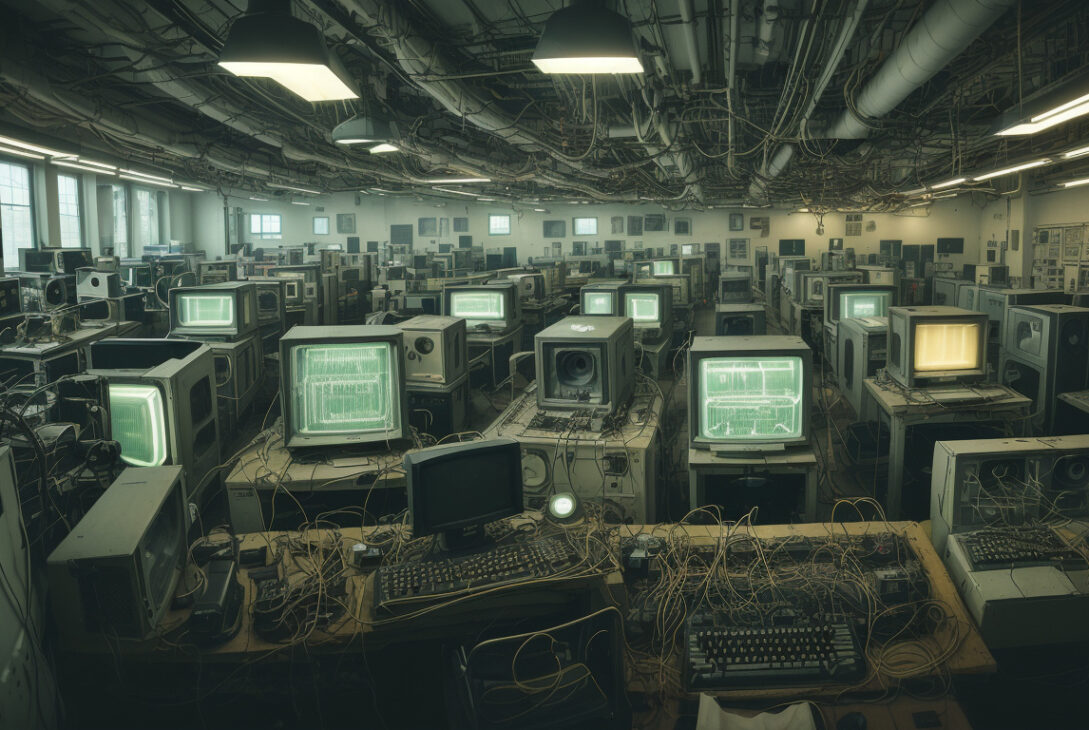
Rather than focusing on rare or exotic machines, Retrolab is stocked with typical technology from the 1980s, 1990s, and early 2000s. Students can load spreadsheets from floppy disks on an Apple IIe, boot up Windows on old Gateway PCs, or play classic games on vintage Atari or Nintendo 64 consoles. This hands-on environment provides them with a vivid sense of what everyday computing was like before the internet and cloud services reshaped the landscape.
A Growing Movement Across Universities
Retrolab may be unique in operating under a history department at a U.S. university, but it is part of a broader trend. Across the country, a handful of similar labs offer access to machines and software from pre-internet times to students and researchers. These collections often come from a mix of eBay hunting, university surplus, and faculty donations—sometimes featuring user data and programs left behind decades ago.
The goal is to illuminate both the advancements and limitations of earlier computing eras, promoting a richer appreciation for the technologies that underpinned today’s digital world. By experiencing how users once worked with technology, students gain perspective on issues such as privacy, surveillance, and the reliance on cloud infrastructure.
A Fascination with “Cloud-Free” Technology
Lori Emerson, founder of the Media Archaeology Lab at the University of Colorado Boulder, has witnessed growing enthusiasm among young people for older technology—especially devices that are "not connected to the internet, not surveilling them, tracking them, collecting data." Her lab offers similar opportunities to explore vintage computers and peripherals, sparking curiosity about the inner workings of machines and the ways in which technology shapes society.
This hands-on engagement reveals that historic machines don’t just represent nostalgia; they provide a valuable framework for thinking critically about the present and future of technology. Understanding the roots of computing may help today’s students and researchers imagine alternative paths forward, including innovations that prioritize privacy, agency, and local control.
Looking Ahead
As technology continues to evolve rapidly, these historic computing labs serve as vital educational spaces that preserve knowledge of earlier digital eras. They remind us that the conveniences of modern devices were built on decades of innovation—and that questioning how technology is designed and used remains as important as ever.
By connecting new generations with the tangible, often tactile technologies of the past, these labs rekindle interest in computing history while encouraging thoughtful exploration of the future without immediate dependence on cloud-based systems or constant online connectivity.
Photo: Media Archaeology Lab at University of Colorado Boulder
By Steven Melendez, Fast Company