

Harnessing Technology to Strengthen Democracy: Insights from the 28th Commonwealth Conference in New Delhi
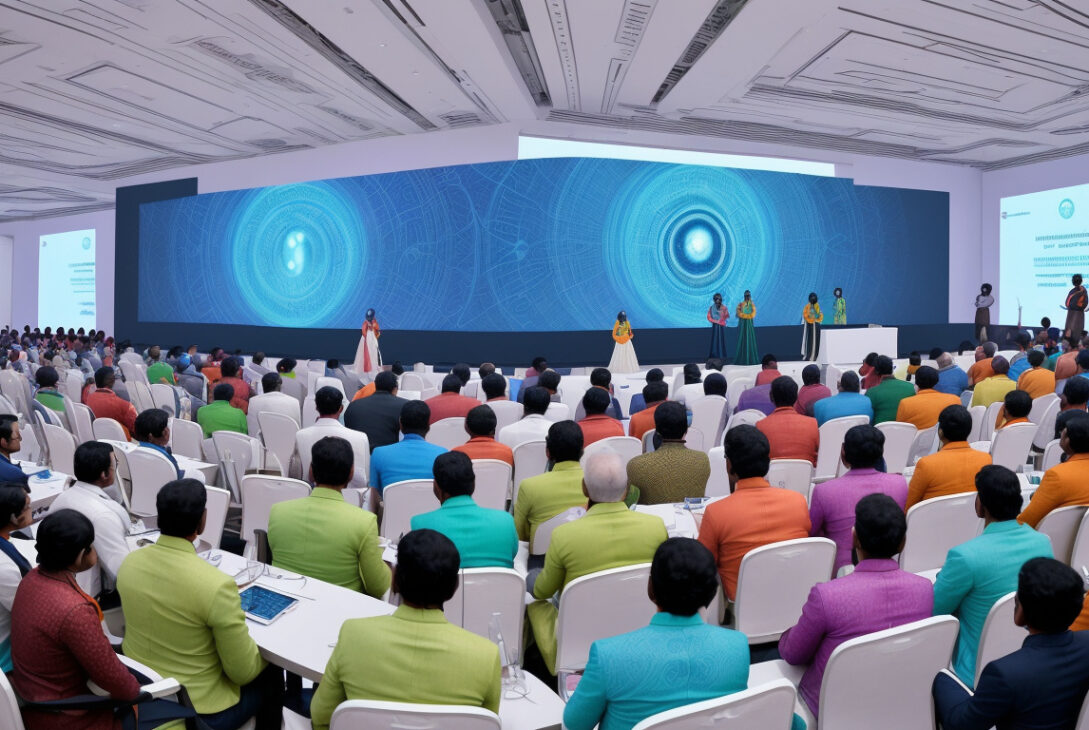
New Delhi, January 14, 2026 – As the winter mist envelops New Delhi, the iconic Samvidhan Sadan, the historic seat of India’s democracy, is once again the venue for a momentous gathering of global parliamentary leaders. The 28th Conference of Speakers and Presiding Officers of the Commonwealth (CSPOC) is underway, bringing together custodians of parliamentary traditions from across the Commonwealth countries. This year’s conference centers on a theme of striking contemporary relevance: embracing technology to strengthen democratic governance.
A Legacy of Democratic Values Challenges New Realities
Om Birla, Speaker of India’s Lok Sabha, welcomed fellow Speakers with a profound reflection on the significance of the venue and the times. "Samvidhan Sadan is not merely a building; it is the hallowed ground where India’s Constitution was debated and drafted," he asserted, underscoring the symbolic and practical importance of anchoring democratic evolution in foundational principles.
Recounting the origins of the Commonwealth Speakers’ fraternity, Mr. Birla highlighted its 1969 establishment by Lucien Lamoureux of Canada, conceived as an impartial forum to develop strong parliamentary institutions free from executive influence. Over the decades, this forum has solidified shared democratic values among member nations, with India playing a pivotal role by previously hosting the conference in 1970-71, 1986, and 2010. Technology as a Partner in Democracy
Facing contemporary challenges and opportunities, the conference places technology, specifically digital innovation and Artificial Intelligence (AI), at the forefront of discussions. Mr. Birla emphasised that the traditional tools of democracy — the gavel and rulebook — must now operate alongside advanced digital tools. “We cannot govern the future with the tools of the past," he noted during a recent committee meeting in Guernsey.
India’s emergence as a global technology hub offers a unique opportunity for the Commonwealth. The country’s pioneering efforts through the Digital Sansad initiative demonstrate this vision in action. The initiative focuses on digital empowerment of the legislative process rather than mere digitization.
One standout project, Sansad Bhashini, employs AI to break down linguistic barriers across the Commonwealth, a region home to approximately 2.7 billion people speaking a wide spectrum of languages. This AI-driven technology facilitates real-time interpretation and transcription, enabling members of parliament to speak in their mother tongues and be instantly understood by colleagues and constituents alike. This inclusive approach aims to enhance democratic participation and accessibility dramatically.
Addressing Capacity Constraints and Enhancing Parliamentary Efficiency
Recognizing that many Commonwealth nations in the Global South face challenges related to expertise, resources, and time, the conference plans to demonstrate how AI can act as a transformative multiplier for legislative bodies. From facilitating complex legislative drafting to analyzing intricate budget documents, AI-powered tools can improve parliamentary functioning and efficiency. Such advancements promise to bolster democratic governance and service delivery to citizens.
Technology as a Democratic Public Good
Echoing the ancient Indian philosophy of vasudhaiva kutumbakam — "the world is one family" — Mr. Birla emphasized India’s readiness to share its digital public infrastructure openly with Commonwealth countries. Rejecting proprietary claims, India advocates for technology as a public good that can reinforce democratic resilience globally.
However, the integration of technology also calls for vigilance. The rise of social media, while enhancing proximity between parliament and the people, has introduced risks including online harassment and the proliferation of deepfakes. In this digital age, the Speaker’s role extends beyond physical parliamentary dignity to encompass safeguarding members’ security and wellbeing in cyberspace.
A Call for Collaborative Democratic Innovation
The 28th CSPOC embodies a synergy where India’s democratic heritage and its technological future intersect. Mr. Birla invited Commonwealth Speakers not only to witness India’s advancements but also to collaborate in shaping legislatures that are efficient, inclusive, and anchored in public trust.
As the conference unfolds at the historic heart of Indian democracy, the message is clear: the future of democracy depends on harnessing technology thoughtfully and inclusively, ensuring that the democratic ideals of sovereignty, representation, and debate endure in the digital era.
Om Birla is the Speaker of the Lok Sabha, India’s Lower House of Parliament. The views expressed are his personal reflections on the conference and the role of technology in democracy.
About the Commonwealth Speakers and Presiding Officers Conference (CSPOC):
Established in 1969, the CSPOC is a forum that brings together parliamentary leaders from Commonwealth nations to share experiences, foster parliamentary independence, and uphold democratic governance free from executive overreach. The 28th CSPOC in New Delhi continues this legacy into the 21st century’s technological landscape.
For further updates on this conference and related democratic innovations, stay tuned to Hindustan Times and other reliable news platforms.