

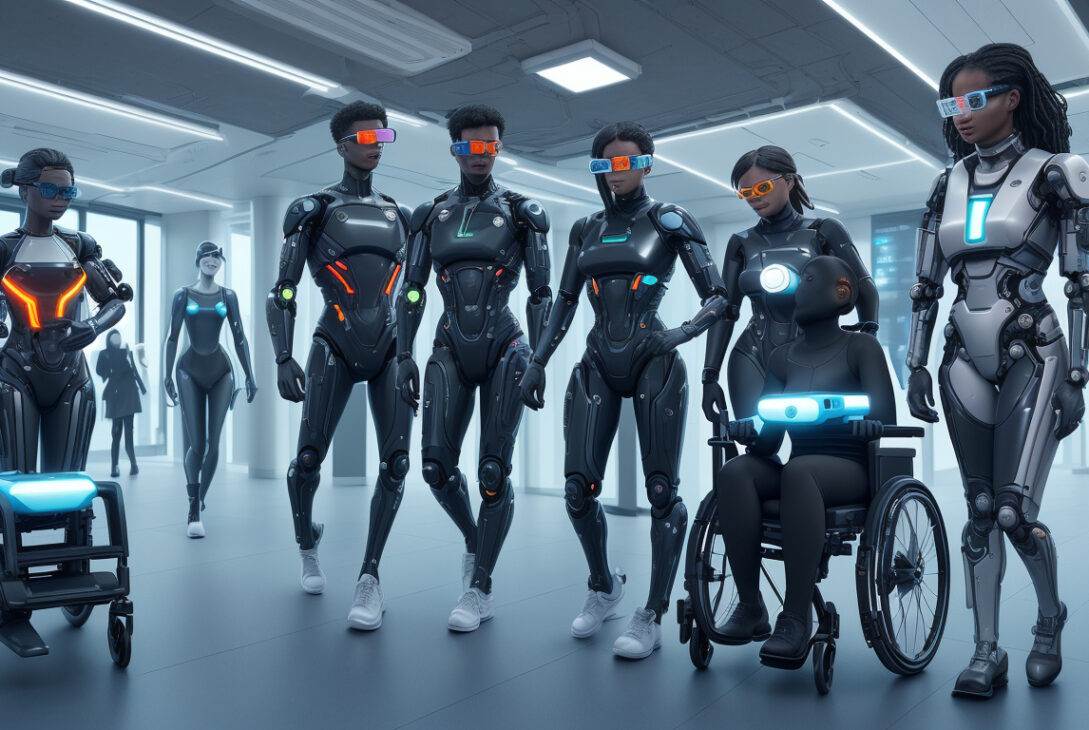
Forrester Research Highlights the Growing Importance of Accessibility in Technology
By Jenny Lay-Flurrie, Chief Accessibility Officer, Microsoft
Published December 3, 2025, Microsoft Accessibility Blog
From Past Insights to Present Realities: The Evolution of Accessibility
In 2003, Microsoft collaborated with Forrester Consulting to conduct groundbreaking research titled The Wide Range of Abilities and Its Impact on Computer Technology. This landmark study surveyed over 15,000 U.S. adults during the Windows XP era, prior to the rise of smartphones, to understand how people interacted with assistive technology (AT). The findings revealed that 57% of U.S. computer users were likely or very likely to benefit from accessible technology, illustrating accessibility as a key driver of innovation, productivity, and independence.
Fast forward 22 years, the technological landscape has dramatically transformed — with computers, tablets, smartphones, and various smart devices seamlessly integrated into everyday life. To reflect these significant changes, Microsoft once again commissioned Forrester to revisit and update this research. The results, published in 2025, underscore an undeniable truth: the need for accessibility has surged in tandem with technological advancement.
Accessibility’s Expanding Reach
The 2025 Forrester study, based on an online survey of 3,901 U.S. consumers, found that over 70% of the U.S. population today could benefit from accessible technology—irrespective of whether they have a recognized disability. This marks a substantial increase from the 57% identified in 2003. One notable shift highlighted by the research concerns technology adoption among people with accessibility needs. In 2003, only 63% of those requiring accessibility features were using computers, a figure significantly lower than for those with minimal or no accessibility needs. Today, technology is indispensable, fueled further by an aging workforce and growing recognition of neurodiversity and mental health conditions. These factors amplify the importance of ensuring inclusive access and creating technology that serves a broad spectrum of human experiences.
The Role of AI in Accessibility
Artificial intelligence (AI) is revolutionizing how assistive technologies empower users, especially those who are disabled or neurodiverse. AI-driven capabilities—such as real-time transcription, text summarization, voice-to-text functionality, and adaptive user interfaces—help individuals navigate complex environments, maintain connectivity, and increase productivity.
Despite these advancements, the adoption of AI-powered accessibility tools remains in its early stages. Only 41% of survey respondents reported using AI-enabled accessibility features, although satisfaction among these users is notably high. Encouragingly, 66% expressed that they would be more inclined to use assistive technology if it incorporated AI enhancements.
AI’s promise lies in reducing friction, simplifying tasks, and promoting independence, but it is crucial that AI solutions are designed inclusively from their inception to ensure they serve all users effectively.
Key Findings from the 2025 Forrester Study
- 23% of respondents identified as having a disability.
- 70% of respondents could benefit from accessible technology.
- Disabled and non-disabled users employ assistive features at similar rates: 7.9 features per month versus 6.5 features per month, demonstrating that assistive tools are essential for a broad audience.
- 50% of people with disabilities bring their own assistive tools to work, while only 21% receive such tools from their employers.
Challenges and Opportunities for Employers
The disparity in workplace support for accessibility tools points to a missed opportunity for organizations. Providing accessible technology and accommodation programs is not only a matter of compliance but also an investment in employee productivity, retention, and belonging.
By fostering awareness around available tools and integrating the latest AI-powered assistive technologies, companies can create a more inclusive environment where employees with disabilities feel supported, confident, and empowered.
The Human Impact of Accessibility
Technology that embraces accessibility does more than just remove barriers—it allows people to be their authentic selves, boosting confidence and fostering deeper connection. When individuals can fully engage and contribute without undue obstacles, everyone benefits.
A Path Forward: Accessibility as a Continuous Journey
As technology evolves in 2025 and beyond, digital accessibility remains a dynamic and ongoing commitment. Microsoft encourages businesses and developers to:
- Invest in education and communication to raise awareness and adoption of accessibility features.
- Ensure accommodation programs are visible, inclusive, and incorporate cutting-edge AI technologies.
- Design with inclusivity at the forefront to serve the full spectrum of human abilities and experiences.
Resources for Getting Started
For those new to accessibility or seeking to deepen their knowledge, Microsoft offers several starting points:
- Accessibility 101: Learn the fundamentals of inclusive design and accessible technology.
https://aka.ms/Accessibility101 - Accessibility Tools and Community: Explore Microsoft’s resources and stories.
https://aka.ms/accessibility
Conclusion
Accessibility is more than a feature—it’s a fundamental principle necessary to build a world where everyone can participate, contribute, and thrive. As the 2025 Forrester report and ongoing innovations demonstrate, accessibility drives both social inclusion and groundbreaking innovation.
For the full 2025 Forrester Research report on accessibility, visit:
https://aka.ms/ForresterAccessibility2025
Microsoft remains committed to advancing accessibility and inclusive design, ensuring no one is left behind as technology continues to evolve.