

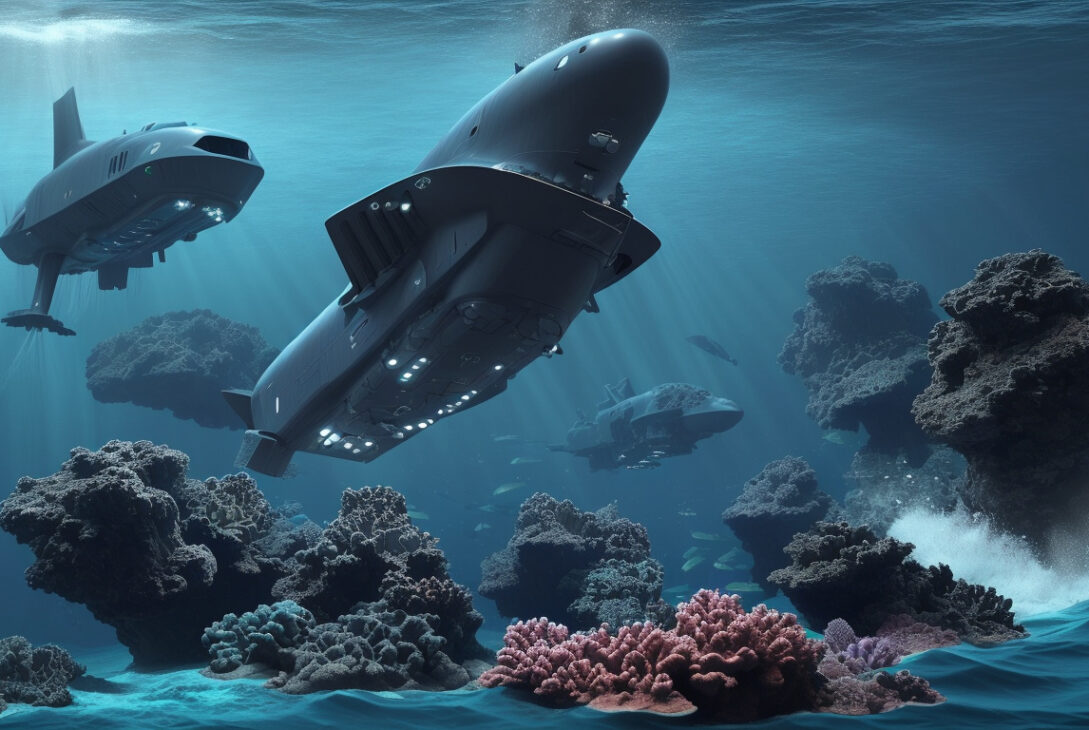
UK Unveils Cutting-Edge Undersea Military Technology to Counter Russian Threats
In a move to bolster national security amid rising concerns over Russian underwater activities, the United Kingdom has announced significant advancements in undersea military technology designed to defend critical subsea infrastructure. The Atlantic Bastion programme, introduced by the Ministry of Defence (MoD) as part of the Strategic Defence Review, aims to protect the nation’s undersea cables and pipelines, vital for telecommunications and energy supply.
Addressing Growing Threats Beneath the Waves
The programme comes as a direct response to a resurgence in Russian submarine and underwater operations near UK waters, notably involving the spy ship Yantar, which was tracked in the vicinity last month. First Sea Lord General Sir Gwyn Jenkins, delivering a keynote speech at the International Sea Power Conference in London, emphasized the increasing vulnerability of the maritime domain and the strategic imperative to act decisively.
Sir Gwyn stated, "The Strategic Defence Review identified the maritime domain as increasingly vulnerable, and maritime security is a strategic imperative for the UK. This begins with Atlantic Bastion — our bold new approach to secure the underwater battlespace against a modernising Russia."
Integrating Autonomous Systems, AI, and Traditional Forces
Atlantic Bastion represents a pioneering effort to combine autonomous underwater vehicles, artificial intelligence (AI), warships, and aircraft to detect and neutralize threats to the UK’s subsea infrastructure. The project envisions a sophisticated, AI-powered acoustic detection network integrated into a digital targeting web. This system will enable rapid battlefield decisions and swift execution to counter enemy threats beneath the sea.
The programme has garnered a £14 million combined investment from the MoD and industry this year, reflecting its priority status. Twenty-six companies from the UK and Europe have submitted proposals, indicating broad interest and collaboration in this critical defence initiative.
Demonstrations of Emerging Technology
Defense Secretary John Healey recently visited the Portsmouth Naval Base to review some of the early technology under development for Atlantic Bastion. Among the showcased equipment were:
- SG-1 Fathom: An autonomous underwater glider capable of extended missions beneath the waves.
- Rattler: An unmanned surface vehicle that operates remotely for various maritime tasks.
- Proteus: A model of an autonomous anti-submarine warfare helicopter designed to identify and engage underwater threats.
- Excalibur: An experimental uncrewed submarine demonstrating new capabilities in underwater operations.
Speaking at the event, Mr. Healey underscored the evolving nature of threats, saying, "People should be in no doubt of the new threats facing the UK and our allies under the sea, where adversaries are targeting infrastructure that is so critical to our way of life. This new era of threat demands a new era for defence, and we must rapidly innovate at a wartime pace to maintain the battlefield edge."
Strategic Collaborations to Enhance Maritime Security
The announcement of Atlantic Bastion aligns with recently strengthened naval ties between the UK and Norway. On 4 December 2025, the two countries signed a defence agreement enabling their navies to operate a combined fleet to protect essential undersea cables. This pact further aims to enhance security for critical infrastructure underpinning telecommunications and energy supplies.
Subsea cables carry 99% of the UK’s international telecommunications data while also supporting vital energy supplies such as electricity, oil, and gas. Securing these channels is deemed imperative to preserving the UK’s connectivity and national security.
Looking Ahead
With plans to deploy the new technology as early as 2026, the Atlantic Bastion programme marks a significant step in modernizing the UK’s approach to maritime defence. By integrating cutting-edge autonomous systems, AI, and traditional naval assets, the UK seeks to maintain a strategic advantage and safeguard critical underwater infrastructure against evolving threats in an increasingly contested maritime environment.
As First Sea Lord Sir Gwyn Jenkins noted, "It is time to act." The UK’s commitment to innovation and resilience underlines the importance of securing the underwater battlespace in the face of modern challenges.
— Sky News, Monday 8 December 2025